
FACT FILE: ZUCCHINI
The versatile zucchini is a kitchen favourite, loved for its mild flavour and ability to shine in both sweet and savoury dishes. Packed with health benefits and key nutrients, zucchini is as good for you as it is delicious. Read on for tips on cooking, usage, and storage to make the most of this humble vegetable.
-
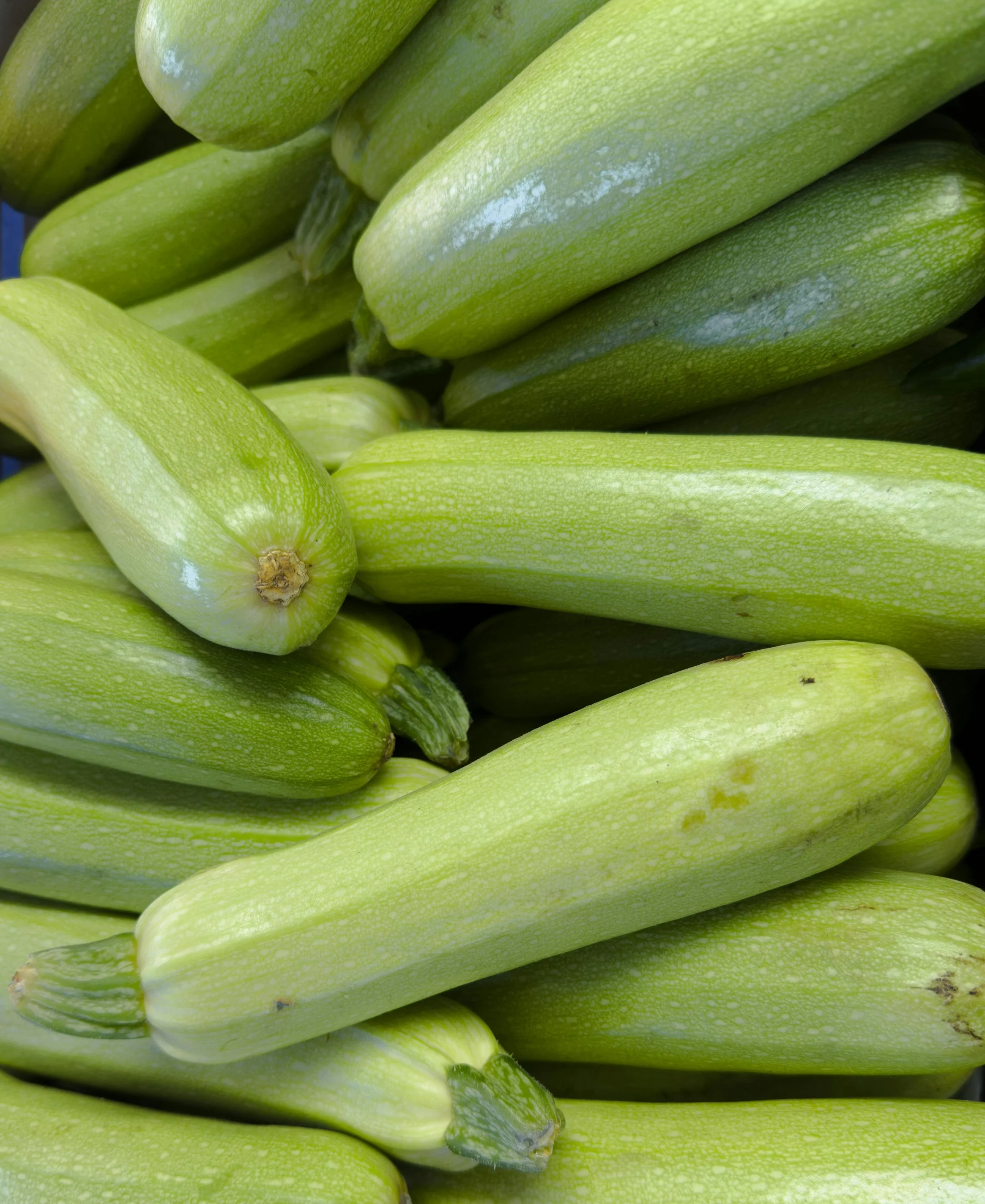
Zucchini come in a range of colours including dark green, light green, yellow, and striped varieties.
Most zucchini are harvested while still immature, when the skin is tender and the flavour is mild.
Zucchini are the fruit of the zucchini plant, even though they’re commonly used as a vegetable.
They are generally cylindrical in shape, with smooth, glossy skin and pale, creamy flesh with soft edible seeds.
Zucchini grow on low, bush-style plants rather than vines.
The fruit grows quickly and is usually picked when 15–20 cm long for the best texture and taste.
Zucchini flowers are large, bright yellow, and edible.
Varieties include Green, Yellow, Lebanese, Round, and Striped zucchini. All Australian varieties are naturally bred and not genetically modified.
-
Zucchini cook quickly and are best lightly cooked to keep their texture and mild flavour. Sauté, grill, roast or steam until just tender.
Cooking zucchini with a small amount of oil or butter helps carry flavour and improves the absorption of fat-soluble vitamins.
Zucchini release a lot of water as they cook. For roasting or frying, avoid overcrowding the pan to prevent them becoming soft or watery.
The skin and seeds are completely edible and don’t need to be removed. Removing them is a textural choice rather than one for flavour or nutrition.
Zucchini can be enjoyed raw in salads, spiralised as “zoodles,” or blended into soups, sauces and fritters for a mild, creamy texture.
-
Smaller zucchini tend to have a sweeter flavour and firmer texture, while larger zucchini are better suited to baking or stuffing.
The flavour of zucchini becomes more pronounced when lightly grilled or roasted, as natural sugars caramelise.
Fresh zucchini have a clean, subtle aroma; the skin carries much of the flavour, so leaving it on is recommended.
Zucchini are incredibly versatile and can be eaten raw, lightly cooked or fully cooked depending on the dish.
For a simple lunch dish: slice zucchini lengthways, drizzle with olive oil, sprinkle with salt and cracked black pepper, and grill or roast for 10–15 minutes until just tender.
Zucchini are perfect for savoury dishes such as pasta, risotto, stir-fries and frittatas, or blended into soups for a creamy texture.
Use raw zucchini ribbons or spirals in salads, wraps or bowls for a fresh crunch.
-
Choose zucchini that are firm, smooth and well coloured, with no soft spots, wrinkles or bruising.
Smaller to medium zucchini usually have better flavour and texture than very large ones.
Fresh zucchini should feel heavy for their size and have a glossy skin.
Store zucchini in the refrigerator crisper drawer to keep them fresh.
Keep zucchini unwashed in a breathable bag or loose in the crisper to prevent excess moisture build-up.
Zucchini are sensitive to moisture — avoid sealing them in airtight plastic bags.
For best quality, use zucchini within 5–7 days of purchase.
Once cut, wrap zucchini tightly and store in the refrigerator, using within 1–2 days.
-
One serve of zucchini is 75g, which is about ½ a medium zucchini.
One serve of zucchini provides a source of Vitamin C, as well as contributing dietary fibre and important minerals such as potassium.
As a source of Vitamin C, one serve (75g) of zucchini contributes to:
A healthy immune system.
Healthy skin and wound healing.
Normal energy metabolism.
A healthy nervous system.
Thanks to their high water content and low kilojoule count, zucchini also support:
Good hydration.
Digestive health.
Weight management as part of a balanced diet.
Zucchini are naturally low in fat and can be enjoyed raw or cooked as part of everyday meals.
-
The green and yellow colour of zucchini comes from natural plant pigments called carotenoids (including lutein and zeaxanthin) and chlorophyll.
Zucchini are a natural source of lutein and zeaxanthin, phytonutrients also found in other green vegetables.
Darker green zucchini generally contain higher levels of these pigments.
Lutein and zeaxanthin are fat-soluble, so absorption is improved when zucchini are eaten with a small amount of oil or butter. Light cooking can also help release these compounds.
Most carotenoids are found in or just under the skin, so leaving the skin on maximises intake.
Diets rich in carotenoids have been linked to eye health and protection from oxidative stress. Research is ongoing, and no specific health claims are currently permitted.